 Daniel
•
October 10, 2026
•
9 min read
•
No comments
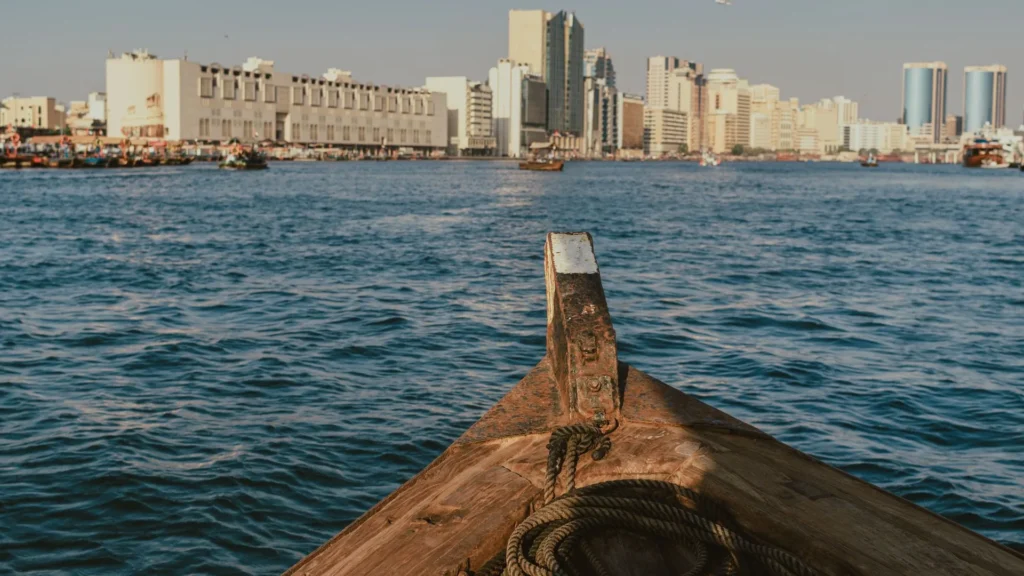
Old Dubai rewards one unhurried day: about nine hours, roughly 4 to 5 km on foot, and fixed costs under AED 15 per person. Start at 9am in Al Fahidi Historical Neighbourhood, cross Dubai Creek by abra for AED 1, spend the afternoon in Deira’s souks, and finish with sunset at the creek around 6pm. Tip: skip Friday morning, because most souk shops open at 4pm on Fridays.
Old Dubai is the creek-side heritage core of the city, the Bur Dubai and Deira districts that grew up around the pearl trade long before the skyscrapers. This post is not a district guide. It is a timed walking itinerary for old Dubai in one day, with exact hours, costs and order of stops. Start with our Dubai travel guide if this is your first trip, then follow this route.
| Detail | One-day walk information |
|---|---|
| Area covered | Al Fahidi Historical Neighbourhood, Dubai Creek, Deira souks |
| Time needed | 9am to about 6pm, roughly nine hours |
| Walking distance | About 4 to 5 km in total, measured point to point on the map |
| Fixed costs | About AED 12 plus metro fares (abra AED 1 each way, Coffee Museum AED 10) |
| Souk hours | Saturday to Thursday 10am to 10pm; Friday 4pm to 10pm |
| Nearest metro | Sharaf DG station on the Green Line (called Al Fahidi until 2020), 2 to 4 minutes on foot |
| Best day | Any day except Friday; Friday afternoons work from 4pm |
The old Dubai route below is built around real opening hours. Mornings stay on the Bur Dubai side, where museums open at 9am. The abra crossing is set for midday, and Deira’s souks get the afternoon, when shops are open and re-awaken after the midday break.
| Time | Stop | Why go then |
|---|---|---|
| 9:00am | Al Fahidi Historical Neighbourhood lanes | Coolest light of the day for the wind towers, and the lanes are quiet before tour groups arrive |
| 10:30am | Dubai Coffee Museum | Opens at 9am and closes at 5pm; mid-morning is the calmest window for the 30 to 45 minute visit |
| 11:45am | Textile Souk | A gentle stroll through the fabric lanes toward the creek, in the same spirit as the Meena Bazaar textile lanes; shopping is secondary here |
| 12:30pm | Lunch at a courtyard café in Al Fahidi | Heritage houses double as shaded cafés; eat before the midday heat peaks |
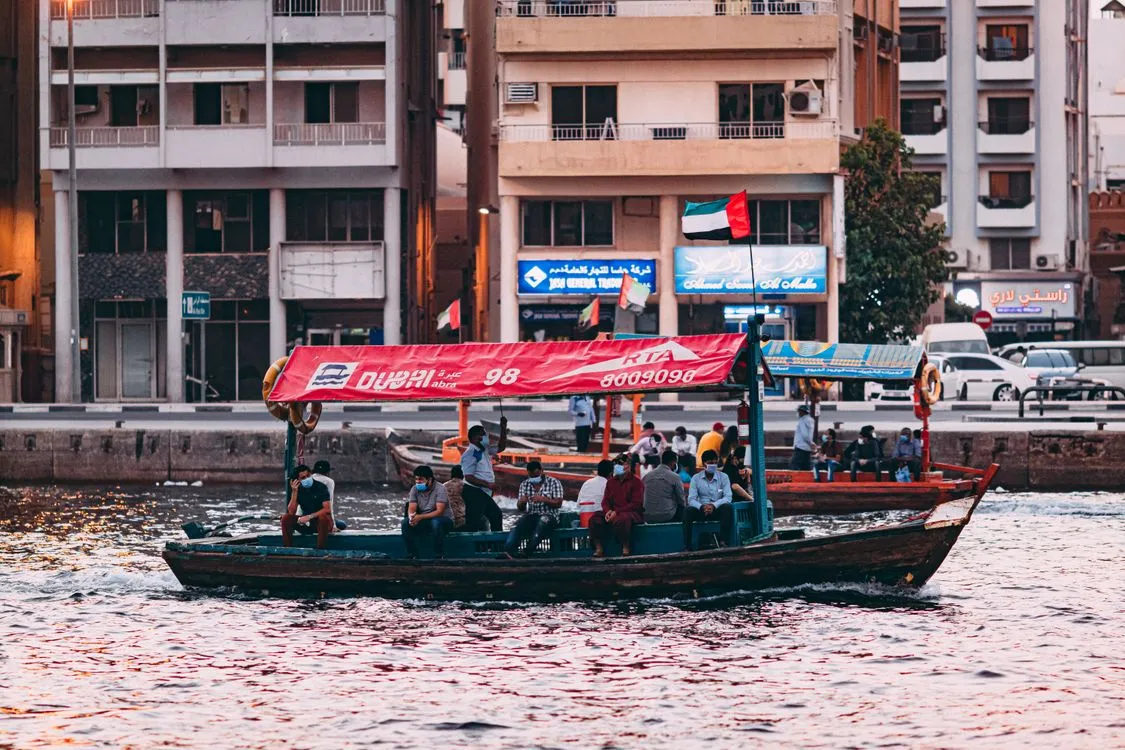
| 2:00pm | Abra from Bur Dubai station to Deira Old Souk | AED 1, about five minutes; midday crossings are frequent and calm |
| 2:30pm | Spice Souk | Shops reopen after the midday lull; the aromas carry best in the afternoon |
| 3:30pm | Perfume Souk street | One lane over from the Spice Souk, oud and bakhoor stalls at full display |
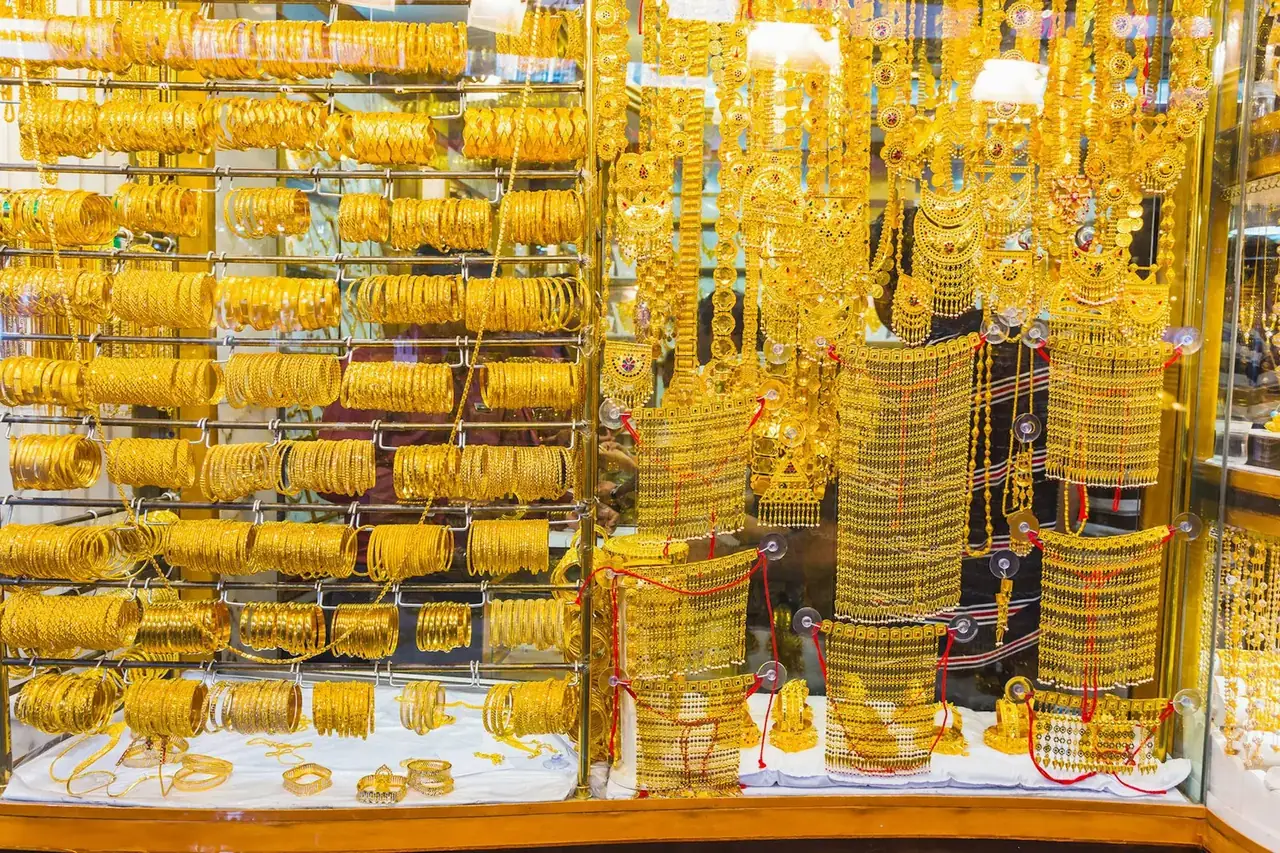
| 4:00pm | Gold Souk | All shops in full swing from 4pm, giving you a solid window before sunset; see our souk guide for buying tips |
| 5:30pm | Walk back to the creekfront | Position yourself for sunset at about 6pm in October |
| 6:15pm | Abra back to Bur Dubai, or metro from Al Ras | A second AED 1 crossing, or the Green Line from Al Ras station |
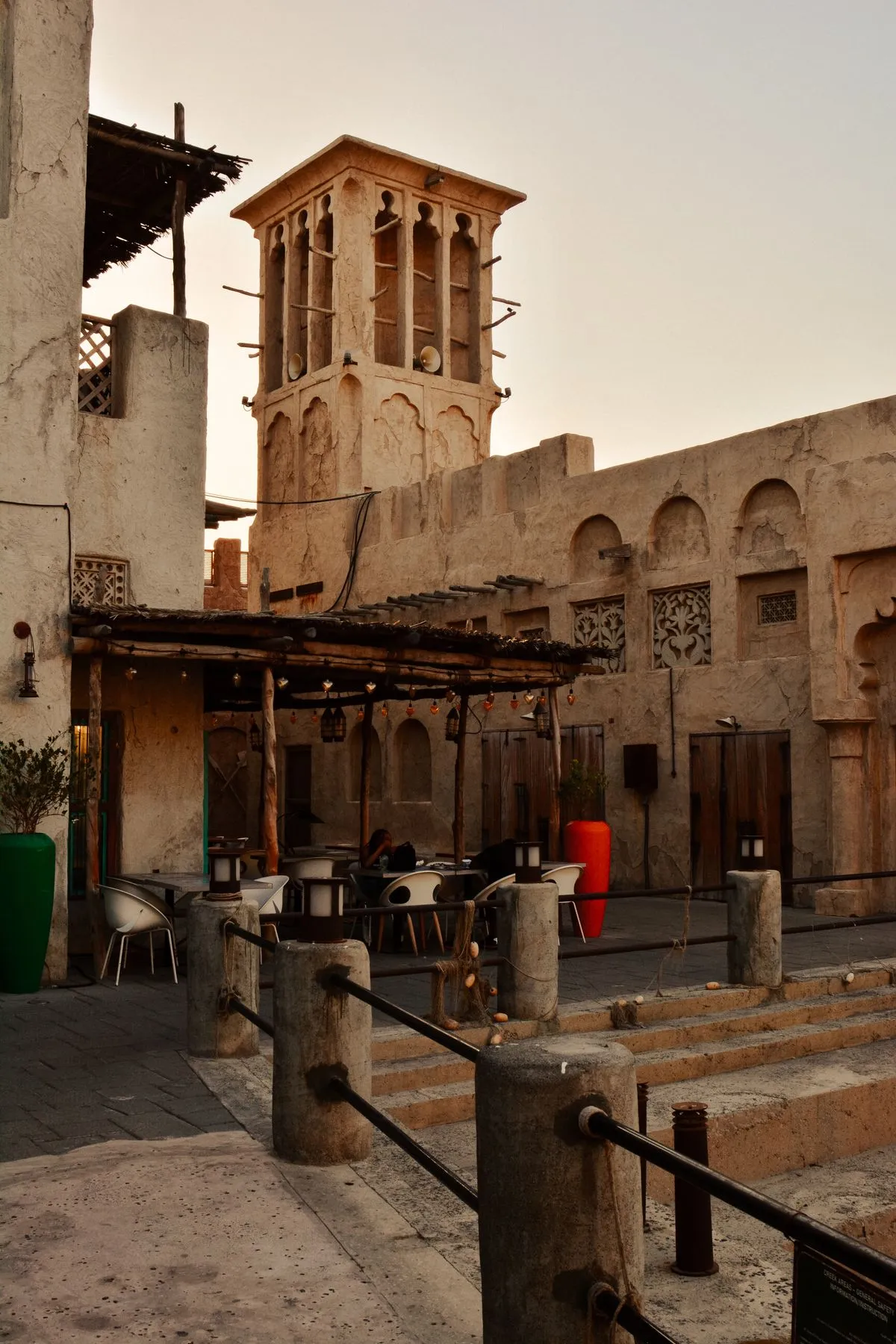
The simplest start is the metro. Sharaf DG station on the Green Line (renamed from Al Fahidi in 2020) sits 2 to 4 minutes on foot from the heritage district, so the walk begins almost immediately.
Check live fares and timings in the RTA S’hail app before you leave, and read our guide to getting around Dubai as a tourist for the basics. At the end of the day in old Dubai, walk 10 minutes from the Gold Souk to Al Ras station on the Green Line, or cross back by abra for AED 1 and walk to Sharaf DG station.
Old Dubai is the cheapest full day of sightseeing in the city. The maths is simple, and almost everything on the route is free.
That comes to AED 12 for the fixed sightseeing costs, before lunch and any shopping. Compare that with a single mall attraction ticket and you see why old Dubai is the best-value day in the city.
Lunch sits at 12:30pm on the Bur Dubai side, and the heritage district handles it well. Courtyard cafés inside restored merchant houses serve light meals in shade, and the Coffee Museum’s brew bar is a natural stop for an Arabian coffee alongside the museum visit. The museum charges AED 10 entry, opens 9am to 5pm, and several guides list Friday as the closing day, so confirm on coffeemuseum.ae before you go.
Near the Textile Souk and the creek, small kiosks sell karak chai and fresh juices for a few dirhams, which suit the walking pace of the day. On the Deira side, the lanes around the souks have budget eateries where a filling plate costs less than most café breakfasts. No reservations are needed anywhere on this old Dubai route.
Beat the heat. October brings highs around 36°C, and the old Dubai souks offer little shade. Carry water, wear a hat, and duck into covered lanes between 1pm and 3pm.
Dress modestly. Cover shoulders and knees through the heritage areas and souks. It is a cultural district, and you will be more comfortable in light, loose clothing anyway.
Plan around Friday. Friday midday prayer in October falls around 12:06pm, and most souk shops open at 4pm on Fridays. Visit Friday afternoon only, or pick another day for the full route.
Carry small cash. The abra fare is AED 1 per crossing, paid in cash to the driver on board. Keep coins or small notes handy, and cash also helps when bargaining.
Bargain politely. In the Spice Souk and Perfume Souk, haggling is expected. Many guides suggest starting at about half the asking price and meeting in the middle. Gold is priced by weight, so bargain on the making charges instead.
Expect the midday lull. Many souk shops close between 1pm and 4pm. That is why this route keeps you in Al Fahidi over lunch and sends you to Deira for the afternoon.
| What you will read | What is accurate |
|---|---|
| Dubai Museum is a must-see stop in Al Fahidi | The museum inside Al Fahidi Fort has been closed since 2021 for restoration. Dubai Culture said in September 2026 it would reopen “in the coming weeks or months”, so check dubaiculture.gov.ae before counting on it. |
| Abra rides cost AED 1 | Correct for the traditional abra on the Deira Old Souk to Bur Dubai route, 6am to midnight. The AED 2 fare belongs to RTA’s air-conditioned Petrol Heritage abra on longer creek routes, not the five-minute crossing. |
| The souks are open 10am to 10pm daily | True Saturday to Thursday, but many shops close 1pm to 4pm, and on Fridays most shops open at 4pm and close at 10pm. |
| Pay for the abra with your Nol card | The traditional abra fare ideira soukss paid in cash to the driver on board. Carry AED 1 coins or small notes. |
| Start the day at the Gold Souk in the morning | Weak timing. Shops are quieter in the morning and many are still reopening. The souks hit their stride from the afternoon, which is why this route finishes there. |
Yes, one full day covers the essential old Dubai loop comfortably. This route runs about nine hours from 9am to 6pm, with roughly 4 to 5 km of walking. Add the Al Shindagha Museum if you want a second heritage stop, but the core walk above does not need it.
A traditional abra crossing costs AED 1 per person per crossing, paid in cash to the driver on board. The ride takes about five minutes between Bur Dubai station and Deira Old Souk station, and boats run every few minutes from 6am to midnight.
Yes, but with shorter hours. Most Gold Souk and Spice Souk shops open at 4pm and close at 10pm on Fridays. Plan a Friday visit for the afternoon only, and run the full one-day route on another day.
Not yet. The Dubai Museum inside Al Fahidi Fort has been closed since 2021 for restoration. In September 2026 Dubai Culture said it would reopen in the coming weeks or months, so check dubaiculture.gov.ae before your visit. The surrounding neighbourhood is fully open.
Use Sharaf DG station on the Green Line (the old Al Fahidi station) for the start of the day; it is a 2 to 4 minute walk from the heritage district. At the end, Al Ras station on the Green Line is about 10 minutes on foot from the Gold Souk.
Cover your shoulders and knees, and choose light, loose clothing for the heat. Comfortable walking shoes matter more than anything else on a 4 to 5 km route, and a hat and sunglasses help between the shaded lanes.
Written by
Daniel
Daniel is the travel writer behind Go Dubai Now, covering Dubai's attractions, parks, restaurants and practical travel topics. Every guide is researched against official sources — government portals, operator websites and current local listings — and updated regularly so timings, prices and rules stay accurate. His goal is simple: answer the exact questions travelers ask before they go, with no fluff and no outdated information.
Handpicked guides, itineraries and money-saving tips for your Dubai holiday — all in one place.